
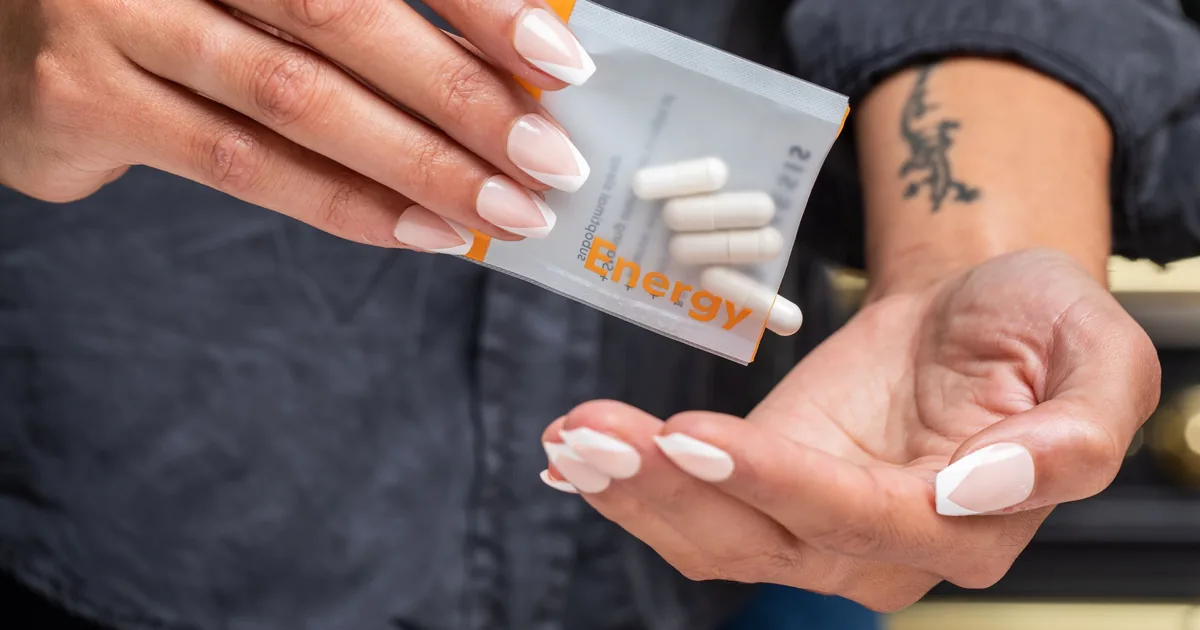
A supplement label carries more information than most people read. Five minutes with this guide and you will know what to look for on any bottle.
1. The statement of identity
The front of the package must say what the product is — for example «dietary supplement» — and the net quantity: number of capsules or weight.
2. The Supplement Facts panel
- Serving size and servings per container. Divide the capsule count by the serving size to know how many days a bottle lasts.
- Amount per serving of each dietary ingredient.
- % Daily Value where one has been established. A dagger or asterisk means no Daily Value exists for that ingredient.
3. Proprietary blends
When ingredients are grouped as a «proprietary blend», the label shows the total weight of the blend and lists its components in descending order by weight, but not the amount of each one.
4. Other ingredients
This line lists everything else: the capsule, flow agents, flavors. It is also where you check for allergens. Many labels add a «contains no» statement for gluten, dairy, soy or artificial colors.
5. Suggested use and cautions
Follow the suggested use; exceeding it does not improve results. Cautions typically address pregnancy, nursing, medication and children.
6. The FDA disclaimer
If a label makes a structure/function claim — «supports joint comfort», for instance — it must include this text: These statements have not been evaluated by the Food and Drug Administration. This product is not intended to diagnose, treat, cure, or prevent any disease. Its presence is a sign the company is following the rules, not a warning about the product.
7. Who made it
The label must name the manufacturer, packer or distributor and give a way to contact them. Many brands also state that the product is made in a facility that follows Good Manufacturing Practices (GMP).
Red flags
- Claims to cure or treat a disease.
- Promises of dramatic results in days.
- No ingredient amounts and no contact information.
Every supplement page on our site reproduces the ingredients, suggested use and cautions from the label so you can compare before you buy.
This article is for general information only and is not medical advice. Statements about dietary supplements have not been evaluated by the Food and Drug Administration. Products are not intended to diagnose, treat, cure or prevent any disease.